Will My Roof Pass a Wind Mitigation Inspection? Here's What Actually Determines Your Credits
One of the most common questions we hear from homeowners is:
"will my roof pass a Wind Mitigation Inspection?"
The answer might surprise you.
A Wind Mitigation Inspection in Florida isn't a pass-or-fail inspection. Instead, each wind-resistant feature of your home is evaluated individually to determine whether it qualifies for insurance credits.
One of the most valuable credits available is the Roof Covering Credit. However, qualifying for that credit depends on more than simply having a newer roof. Your roof's age, the Florida Building Code in effect when it was installed, and the documentation available can all affect whether your insurance company recognizes the credit.
If you're planning a roof replacement—or already have a newer roof—understanding these requirements can help you avoid costly surprises later.
How Does My Roof Affect Wind Mitigation Credits?
During a Wind Mitigation Inspection, your inspector evaluates the Roof Covering section of your home.
This includes identifying:
The roofing material
When the roof was installed
Whether it was installed under the applicable Florida Building Code
The documentation available to support the inspection
Homes with roofs installed under newer Florida Building Codes may qualify for valuable wind mitigation credits because they were built to stricter hurricane-resistant standards.
Florida's 2026 Wind Mitigation Changes
In 2026, Florida updated the Uniform Mitigation Verification Inspection Form (OIR-B1-1802), placing a greater emphasis on documenting the roof covering.
Inspectors now record information such as the permit application date, the year the roof was installed or replaced, and other documentation used to verify the roof covering.
Because of these updates, documentation is more important than ever. A newer roof alone may not be enough if the required information can't be verified.
A New Roof Doesn't Automatically Mean Insurance Credits
Many homeowners assume that replacing their roof guarantees insurance discounts.
Unfortunately, that's not always the case.
Insurance companies rely on documentation to verify that the roof qualifies for the Roof Covering Credit. If permit records or other supporting documentation can't be located, it may become more difficult to receive the available credit.
That's why it's important to think beyond the roof itself—it's also about proving when and how it was installed.
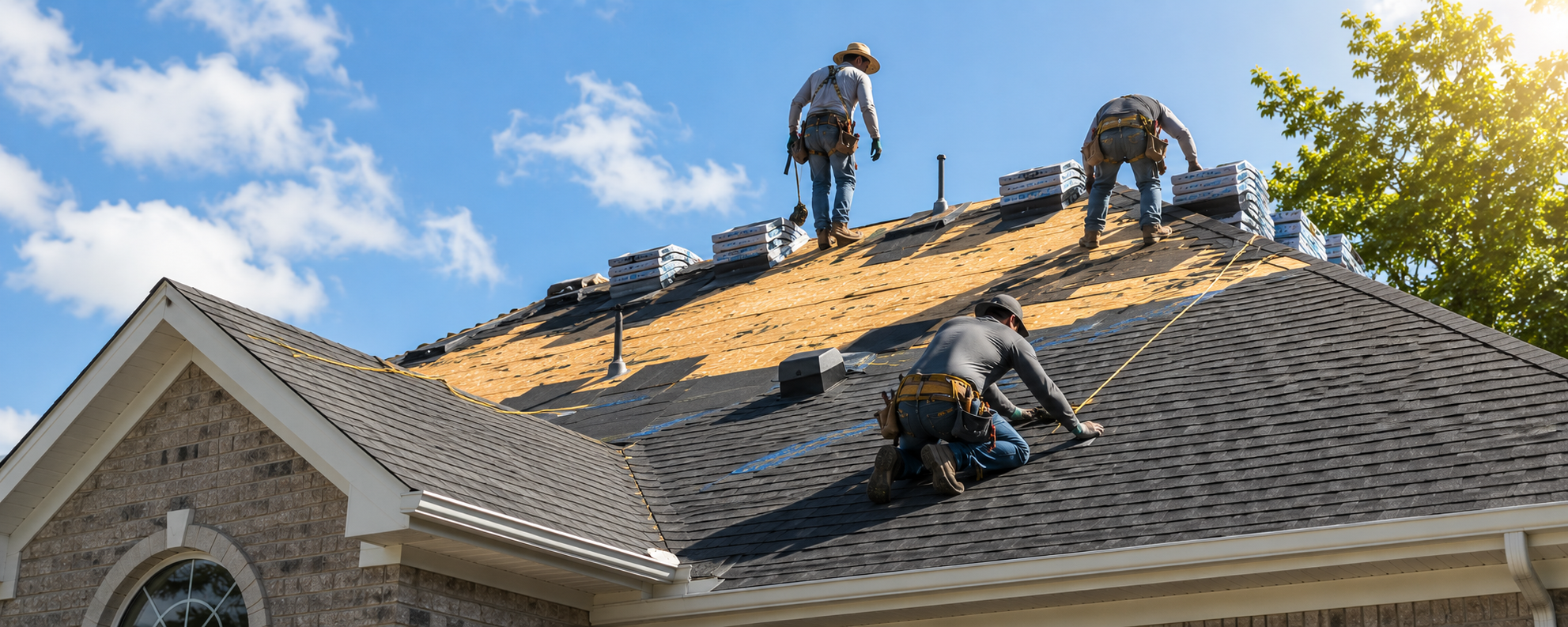
Replacing Your Roof? Don't Skip the Permit.
If you're replacing your roof, always pull a permit.
Whether you're hiring a licensed roofing contractor or completing the work yourself where local regulations allow, obtaining the proper permit is one of the best ways to protect your investment.
A properly permitted roof can help:
Verify when the roof was installed.
Document compliance with the applicable Florida Building Code.
Support eligibility for wind mitigation credits.
Create a permanent record for future buyers.
Simplify future insurance inspections and policy renewals.
The cost of obtaining a permit is small compared to the potential insurance savings and long-term value it provides.
Don't Forget the Final Inspection
Pulling the permit is only part of the process.
Once the roof replacement is complete, make sure the permit is properly finalized through your local building department.
A completed final inspection creates an official record showing the work was finished and approved. That documentation can become extremely valuable during future Wind Mitigation Inspections, insurance renewals, and even when selling your home.
Keeping copies of your permit, final approval, roofing contract, and warranty together can save significant time and frustration years down the road.
What If My Roof Doesn't Qualify?
Not qualifying for the Roof Covering Credit doesn't mean you failed your Wind Mitigation Inspection.
Remember, Wind Mitigation Inspections don't assign a simple pass or fail. Instead, each feature of your home is evaluated separately.
Even if your roof doesn't qualify for one credit, your home may still receive credits for other wind-resistant features, including:
Roof Geometry
Roof-to-Wall Connections
Roof Deck Attachment
Secondary Water Resistance
Every qualifying feature has the potential to contribute to insurance savings.
How Suncoast Certified Home Inspections Can Help
At Suncoast Certified Home Inspections, we research available permit records whenever possible and complete your Wind Mitigation Inspection using the documentation available at the time of the inspection.
Our goal is to provide an accurate, insurance-ready report that helps your insurance company properly evaluate your home's eligibility for available wind mitigation credits.
If you're unsure whether your roof has the documentation needed—or you're planning a roof replacement and want to avoid future insurance issues—we're happy to answer your questions before you begin.
Frequently Asked Questions
-
Wind Mitigation Inspections aren't pass or fail. Your roof is evaluated to determine whether it qualifies for the Roof Covering Credit based on its age, documentation, and compliance with applicable building standards.
-
Not necessarily. A newer roof may qualify, but the inspector must also document the information required to support the Roof Covering section of the inspection.
-
Florida allows owner-builders in certain situations, but requirements vary by jurisdiction. If you're replacing your own roof, always obtain the required permit and complete all required inspections.
-
A permit creates an official record of the roof replacement and helps verify when the roof was installed. That documentation can be important for insurance credits, future inspections, and when selling your home.
Want to know if your roof qualifies for wind mitigation credits?
Not sure whether your roof will qualify for available wind mitigation credits? Suncoast Certified Home Inspections can help.
We research available permit records, document your roof covering information, and provide a clear, insurance-ready report so your carrier can accurately evaluate your home’s eligible credits.